
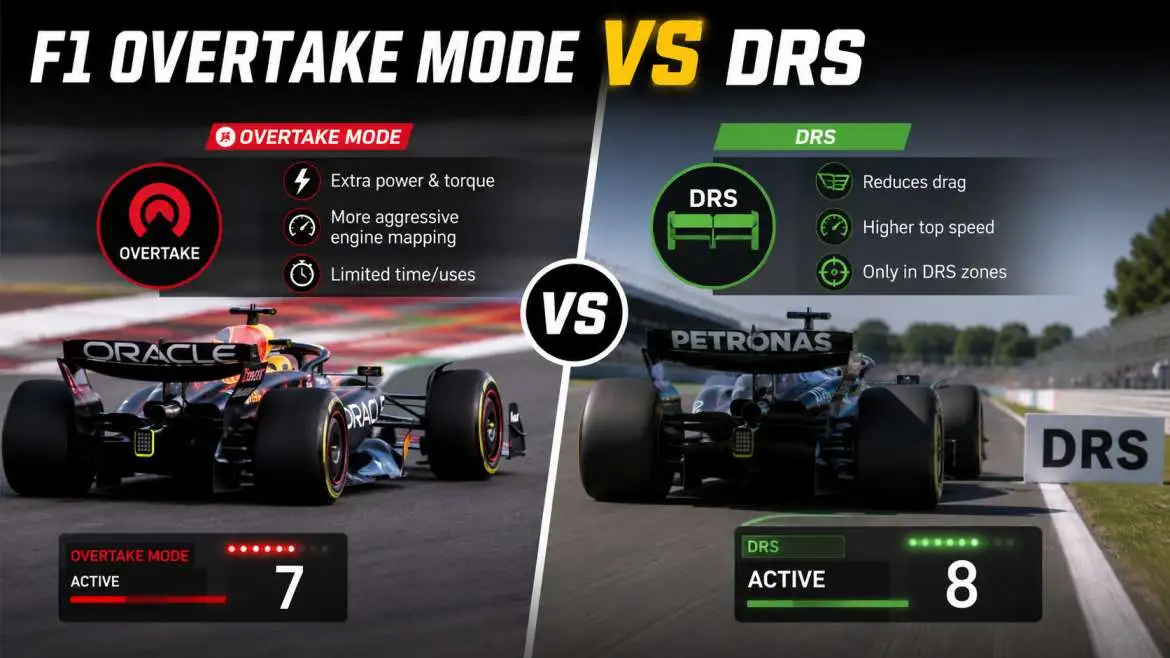
The primary difference between f1 overtake mode vs. DRS involves how a driver increases top speed to pass a rival. The old Drag Reduction System (DRS) changed car shape by opening a flap on the rear wing to reduce aerodynamic drag on straightaways. The modern f1 overtake mode leaves wing adjustments behind and instead unlocks a massive burst of pure electrical horsepower from the hybrid battery. While DRS offered a free aerodynamic speed boost without draining any resources, f1 overtake mode demands tactical battery management, forcing drivers to master energy storage before they can successfully execute a pass.
F1 Overtake Mode vs. DRS Explained
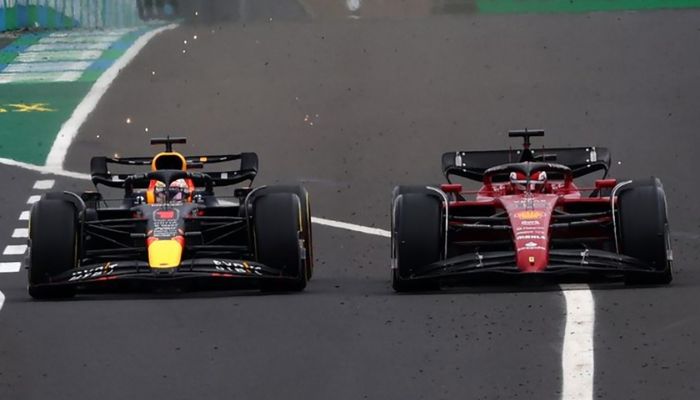
For over a decade, Formula 1 fans watched drivers press a button to flip open their rear wings. This Drag Reduction System served as the main way to clear traffic. Now, the sport utilizes an energy-driven approach.
Understanding f1 overtake mode vs. DRS requires looking at how cars generate speed. DRS altered the airflow over the car body. The current system relies on electrical energy.
"DRS was like opening a window to let the car glide through the air. Overtake mode is like dumping a massive bucket of fuel into an electric motor." — Rob Smedley, Former F1 Race Engineer.
The old method made passing predictable. Drivers waited for a specific zone, opened the wing, and sailed past. The new era requires deep strategic thinking. Drivers must calculate exactly when to spend their stored battery power.
You may also read :- Formula 1 News 2026: F1 Teams, Drivers & Grand Prix Updates
What Was the Drag Reduction System (DRS)?
The sport introduced DRS in 2011 to solve a major problem. Fast race cars create a massive wake of turbulent air behind them. Engineers call this dirty air.
When a car follows closely, this dirty air removes the necessary downward force. The car loses grip and slides around. DRS fixed this by moving a physical piece of the rear wing.
The Rules of the Wing
Drivers could not just use DRS whenever they pleased. The sport enforced strict guidelines to keep competition fair:
- The One-Second Rule: A driver had to trail the leading car by less than one second.
- Detection Points: Special electronic sensors on the track measured the time gap.
- Activation Zones: The wing could only open on designated straight sections of the track.
When a driver hit the button, the wing flap opened up by 85 millimeters. This change slashed aerodynamic resistance. The car instantly gained about 10 to 12 kilometers per hour in top speed.
Why Did F1 Retire the Rear Wing Flap?
Many drivers and purists felt DRS felt too artificial. It created situations where defending a position was nearly impossible. If a rival got within the one-second window, they simply flew past on the straightaway.
The sport also moved toward more advanced hybrid engines. Relying on wings to create passing spots did not fit the new green technology goals. The sport needed a system that rewarded clever driving and energy conservation.
How Does F1 Overtake Mode Work?
The modern solution trades wing manipulation for battery power. Instead of altering car bodywork to slip through the air, the vehicle uses raw electrical performance to power past rivals.
The current hybrid power units generate massive electrical output. The car collects energy when a driver presses the brakes. This process stores electricity inside a large battery package.
The Mechanics of the Extra Boost
When a trailing driver enters the combat window, the system authorizes an extra 0.5 Mega Joules (MJ) of energy. This battery power flows directly to the electric motor.
| Feature | Old DRS System | Modern Overtake Mode |
| Source of Speed | Aerodynamic Drag Reduction | Electrical Battery Power |
| Car Component Used | Movable Rear Wing Flap | Electric Motor (MGU-K) |
| Resource Cost | Entirely Free | Drains Stored Battery Energy |
| Top Speed Limit | Limited by Engine RPM | Cuts Out Later at High Speed |
The leading vehicle faces a strict power drop once it hits 290 kilometers per hour. The chasing vehicle keeps receiving the full 350 kilowatts (kW) of electrical power all the way up to 337 kilometers per hour. This difference creates a powerful closing speed.
Critical Differences: F1 Overtake Mode vs. DRS
The true battle between f1 overtake mode vs. drs lies in how a driver manages their race. The old wing system provided a free reward for trailing closely. The modern setup introduces a high-stakes chess match.
Energy Cost vs. Free Speed
The biggest difference involves resource management. When a driver utilized DRS, it cost nothing. They could open the wing lap after lap without losing any performance.
The current system drains the battery rapidly. If a driver burns all their energy trying to pass, their battery ends up empty. They become completely defenseless on the next straightaway.
Track Position Tactics
The old system forced drivers to attack in specific straight lines marked by white paint. The battery boost completely changes the map.
While a driver still needs to be within one second at the detection line to unlock the extra energy, they can choose exactly when to deploy it over the following lap. This flexibility allows drivers to surprise rivals by launching attacks out of unusual corners.
Active Aerodynamics vs. True Overtake Systems
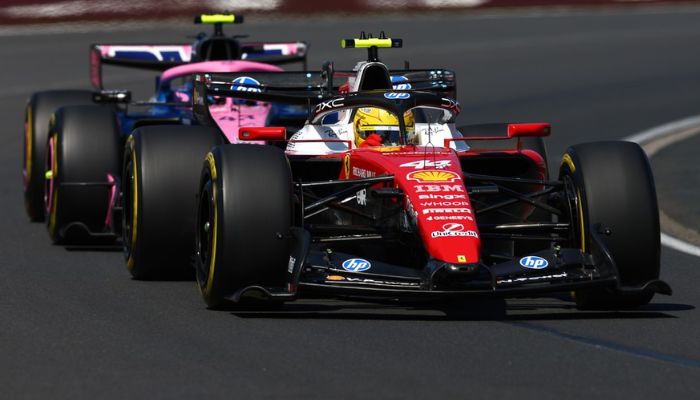
Fans sometimes confuse the new active wings with the old passing system. Modern cars still adjust their wings during a lap, but the purpose has changed entirely.
The vehicle uses active aero to balance fuel efficiency across the track. The wings automatically switch between two distinct configurations:
- Straight Mode: The wing flaps flatten out on long straights to reduce drag for everyone.
- Corner Mode: The wings angle down to provide maximum road grip through turns.
Every single car on the track uses these wing settings at the exact same time. Because everyone gets the low-drag setting on the straights, it does not assist with passing. Only the electrical battery push provides the true advantage over a rival.
The Role of the Boost Button
To make matters more interesting, drivers also possess a standard boost button. This control operates differently than the specialized passing mode.
Drivers can use the standard boost at any moment during a grand prix. It does not require being close to another car. Drivers use it to set fast qualifying laps or defend against someone charging from behind.
This setup creates intense strategic choices. A leading driver might drain their standard battery reserve to hold a position. Meanwhile, the trailing driver applies their special passing energy to overwhelm the defender.
How Does the Change Impact Race Strategy?
The shift from aerodynamic aids to electronic power alters how teams plan their races. Drivers can no longer simply sit behind a rival and relax.
Drivers must master the art of harvesting. To get a big surge of speed later, they must deliberately slow down early in a lap to fill the battery.
[Driver Braking] ➔ [Energy Harvested] ➔ [Battery Stores Electricity] ➔ [Driver Presses Button] ➔ [Massive Speed Burst]
This cycle creates a rhythmic flow to the racing. A driver might spend two laps saving up energy, sitting quietly behind a opponent. Once the battery reads full, they unleash the total electrical reserve to execute a decisive move.
Why Do Fans and Engineers Prefer the New Method?
The motorsport community has embraced this mechanical evolution. It shifts the credit for a successful pass away from computer-designed wings and back to human talent.
Drivers must outsmart their opponents. They look for moments where a rival has depleted their battery. Passing becomes a test of patience, timing, and mental arithmetic at 200 miles per hour.
It also rewards teams that build highly efficient energy recovery systems. A car that recharges its battery quickly will always have an advantage in a wheel-to-wheel battle.
The Final Verdict
When comparing f1 overtake mode vs. drs, the sport has moved from a simple mechanical solution to a complex electronic puzzle. The old wing system served its purpose by fixing the dirty air issue for a decade. However, the modern battery override creates a fairer, more tactical environment.
The current system demands excellent energy management and rewards brave driving choices. It ensures that Formula 1 remains the absolute pinnacle of automotive technology and human competition.
Frequently Asked Questions
Does F1 still use DRS?
No, the sport officially retired DRS. The classic movable rear wing system has been replaced by active aerodynamics and an electrical power boost system.
Can a defending driver use the overtake mode?
A defending driver cannot use the special proximity-based passing energy. However, they can use their standard battery boost button to defend their position, provided they have stored enough energy.
How do drivers charge the battery for a power boost?
The vehicle recovers energy through a process called regenerative braking. When a driver presses the brake pedal, the electric motor spins in reverse, acting as a generator to send electricity back into the battery.
Is the modern system better for passing than the old wing flap?
The modern system makes racing more unpredictable. Instead of easy passes on straightaways, fans see strategic battles where drivers must manage their energy levels over multiple laps to find an opening.
Can drivers use active aerodynamics anywhere on the track?
No, the active wing systems switch between straight mode and corner mode at predetermined track markers set by the governing body to ensure safety and fair performance.